
Water in your mask can feel much bigger than it is. A few tablespoons around your nose can make a new diver want to bolt for the surface, even when the regulator is working and the dive is shallow. That is why learning how to clear a scuba mask is not just a checkbox in Open Water training. It is a confidence skill.
The goal is simple: stay in position, keep breathing, make a small seal at the top of the mask, exhale gently through your nose, and let the water leave from the bottom edge. With patient practice, mask clearing becomes routine instead of alarming.
Why mask water feels scary
On land, water near the nose often means "do not inhale." Underwater, a regulator changes the rules: you can keep breathing through your mouth while your mask is partly flooded. New divers still need time to separate those sensations. The skill is partly mechanical and partly mental.
That is why mask clearing belongs beside equalization, buoyancy, and buddy communication in a strong open water certification foundation. If your ears are also distracting you, review ear equalization techniques before stacking too many challenges into one session.

How to clear a scuba mask step by step
PADI's mask-clearing guide describes the core sequence: fill the mask slowly, seal the top, exhale through the nose while looking up, and repeat if water remains. In practice, use these steps with an instructor or qualified dive professional until they feel automatic.
- Stabilize first. Stop finning, hold a platform or hover in trim if trained to do so, and keep breathing slowly from the regulator.
- Let water in gradually. Break the lower skirt slightly or allow the instructor to guide the drill. Start with a partial flood before attempting a full flood.
- Press the upper frame. Use two fingers to hold the top of the mask against your forehead. Do not crush the mask into your face.
- Look slightly up. This helps the lower skirt become the exit point for water.
- Exhale through your nose. Use a steady nasal exhale, not an explosive blast. Bubbles should push water down and out.
- Repeat if needed. A little water left at the bottom is normal. Reset, breathe, and exhale again.
If the mask keeps leaking, check for trapped hair, a twisted strap, an overtightened strap, or a poor fit. Many beginners overtighten the strap, which can deform the skirt and make leaks worse.
Start smaller than the final skill
Do not make the first repetition a dramatic full-mask flood unless your instructor directs it and you are ready. Build the skill in steps: touch the mask skirt, allow a few drops in, clear a small amount, then a partial flood, then a full flood. The same gradual approach helps with other Open Water skills, from regulator recovery to buoyancy checks. PADI notes in its overview of Open Water dives that mask clearing appears in open water training, including partially and fully flooded mask work during the course.
Good shallow-water drills include kneeling only when appropriate for the training site, hovering in a pool, clearing while holding a descent line, and clearing after a gentle mask removal/replacement sequence. Keep the drill environment controlled: shallow depth, calm water, no current, clear instructor positioning, and no sensitive bottom contact. If the site has coral or marine life, stay neutrally buoyant and avoid all contact.

Common mask clearing mistakes
The first mistake is holding the breath. Keep breathing from the regulator before and after the nasal exhale. The second is lifting the bottom of the mask too much. If the bottom opens wide, water may move around instead of being pushed out cleanly. The third is exhaling through the mouth instead of the nose; mouth bubbles do not clear the mask.
Other mistakes are more subtle. Looking down traps water. Pressing the whole mask hard against the face blocks the exit path. Rushing the skill creates stress. And if a diver is overweighted or fighting buoyancy, mask clearing becomes harder than it needs to be. If you feel glued to the bottom or constantly adding and dumping air, review BCD adjustment and overweighting signs.
What to do if panic starts
If anxiety rises, stop the drill. Signal your instructor or buddy. Keep the regulator in your mouth, hold a stable reference if available, and take a few slow breaths. You do not have to win the skill in one attempt. A controlled pause teaches your brain that water in the mask is manageable.
Never race to the surface because a mask leaks. A rapid ascent can create much greater risk than the original problem. Your basic scuba diving safety habits still apply: breathe continuously, ascend under control when needed, stay with your buddy, and end the dive if the problem is not resolving. If mask stress is part of a broader fear pattern, a gradual training plan like the one in our dive anxiety and claustrophobia guide may help you decide what to practice next.

Make the skill part of real diving
Mask clearing is not only for certification day. A wave can splash your face during entry, a smile line can break the seal, hair can slip under the skirt, or a small leak can appear during a long descent. Before a trip, practice in a pool or easy shore site until clearing feels boring. That is the standard you want. Other core skills need even less water, and dive skills that improve on dry land include compass work, knots and rescue drills.
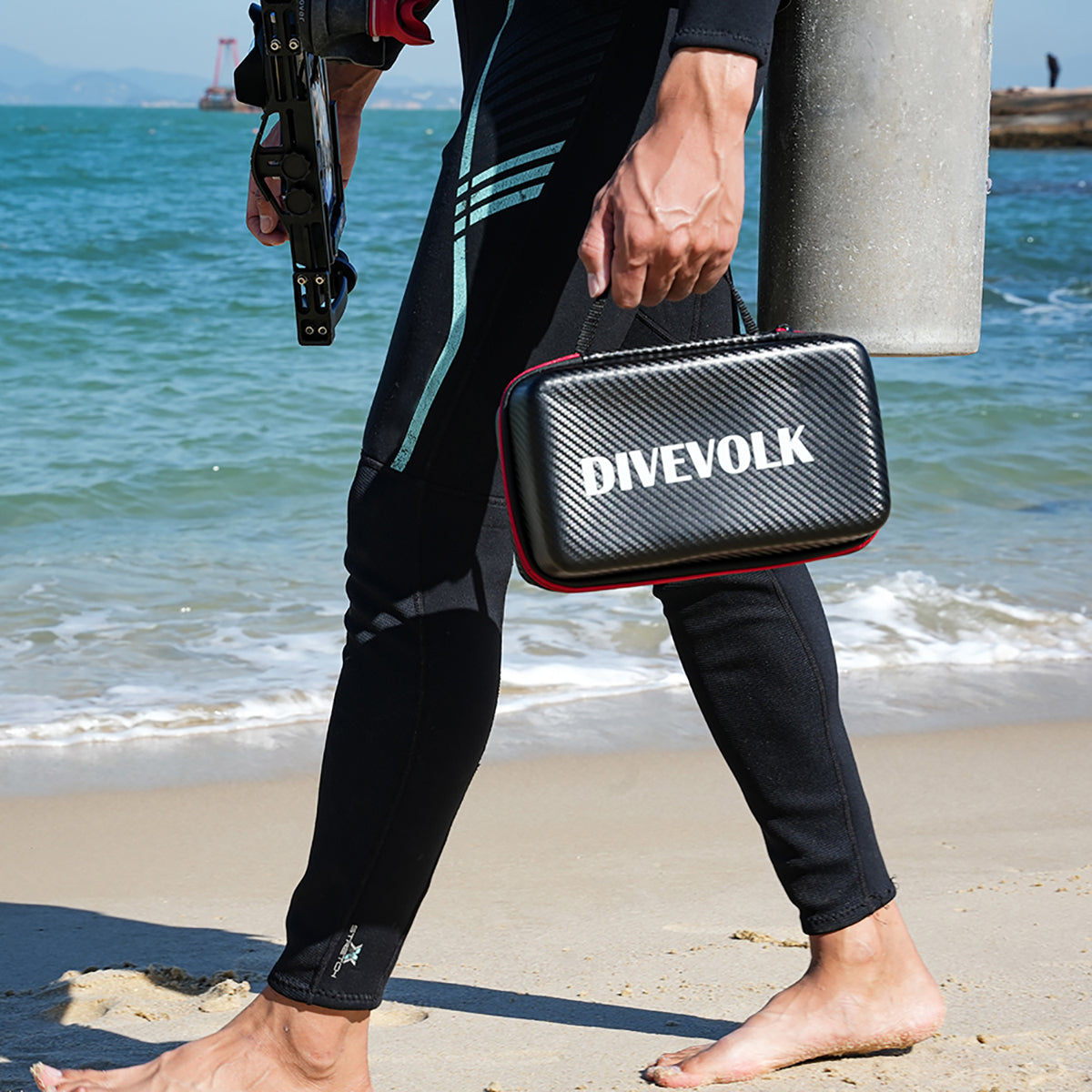
Photography divers should practice the same way. Before adding a camera tray, lights, or a smartphone housing, make sure you can clear your mask without using both hands for long. If you dive with a SeaTouch 4 Max kit, clip it securely during skills and keep your hands available for buoyancy, mask, and buddy communication. For gear-fit questions before travel, contact DIVEVOLK.

The best mask clear is calm, small, and repeatable. Keep breathing, create the top seal, exhale through the nose, and reset. Once your body trusts the sequence, a leaking mask becomes a minor interruption, not a reason to end a good dive.