
World Oceans Day is a useful deadline. Not because ocean conservation should happen once a year, but because a date on the calendar turns good intentions into a plan. If you are a diver, your plan can start before you ever step on the boat: reduce the single-use plastic that follows you from airport to hotel, dive center, liveaboard, rinse tank, and beach.
This is not a purity test. It is a practical campaign checklist for divers who want to cut avoidable waste before World Oceans Day, invite buddies to join, and make the habit visible enough that dive operators and travel partners notice.

Why single-use plastic matters to divers
NOAA's Marine Debris Program identifies plastic items as the most common type of marine debris in ocean, waterway, and Great Lakes environments. Plastic can enter the marine environment through littering, poor waste systems, stormwater runoff, and discarded gear. Once there, it does not break down like natural material; it fragments into smaller pieces that can become extremely difficult to remove. Healthy coastal wetlands trap some pollutants before they reach open water, one more reason divers should care about mangroves.
The problem is not limited to beaches. UNEP-WCMC reported single-use plastic in the Mariana Trench, the deepest known ocean trench. For divers, that fact lands hard: the plastic bottle cap you see in a harbor is part of the same global system that can carry waste far beyond recreational depth.
The solution is bigger than individual shopping habits, but divers are unusually visible ocean users. When a boat full of divers shows up with refill bottles, reusable snack containers, and low-waste toiletries, it sends a message to operators: this matters to your customers.
Step 1: Make the refill bottle non-negotiable
Start with the easiest win. Bring a durable refill bottle and use it from airport day through the last rinse. If you are joining a liveaboard or day boat, ask ahead whether filtered water is available. If not, ask whether the operator can provide large refill containers instead of individual bottles.
Label your bottle, clip it securely, and avoid leaving it where it can roll overboard. A reusable bottle only helps if it stays with you. For longer travel days, pack a second collapsible bottle so you are not forced into buying plastic during transfers.
Step 2: Build a reusable dive-day food kit
Dive boats often generate waste through convenience: plastic-wrapped cookies, disposable cups, condiment packets, foam containers, and tiny snack bags. Before World Oceans Day, build a simple kit: a small lunch box, reusable cutlery, cloth napkin, silicone snack pouch, and lightweight cup.
This does not mean rejecting every snack the boat offers. It means creating an alternative when you can. If you are organizing a group dive, ask everyone to bring one reusable container and one low-waste snack to share. Campaigns work better when they are social.

Step 3: Pack reef-aware toiletries
Travel-size toiletries are convenient but wasteful. Instead, use refillable bottles, solid shampoo, solid conditioner, a bar cleanser, and a small tin for balm or moisturizer. Keep liquids in a durable pouch, not disposable zipper bags that tear after one trip.
For sun protection, prioritize physical coverage: rash guards, hats, buffs, and shade. Sunscreen choices can be complicated and rules vary by destination, so check local requirements before travel. The best low-waste sunscreen is often the one you use less of because your clothing is doing more of the work.
For a broader gear-focused approach, our plastic-free diver guide covers sustainable swaps beyond this World Oceans Day checklist.
Step 4: Stop plastic before it reaches the boat
Most dive debris prevention happens on land. Remove unnecessary packaging before you leave home, but dispose of it properly. Bring a mesh wet-gear bag instead of thin plastic bags. Use a dry bag for electronics and clothes. Carry a compact trash pouch so snack wrappers and tape scraps cannot blow away on deck.
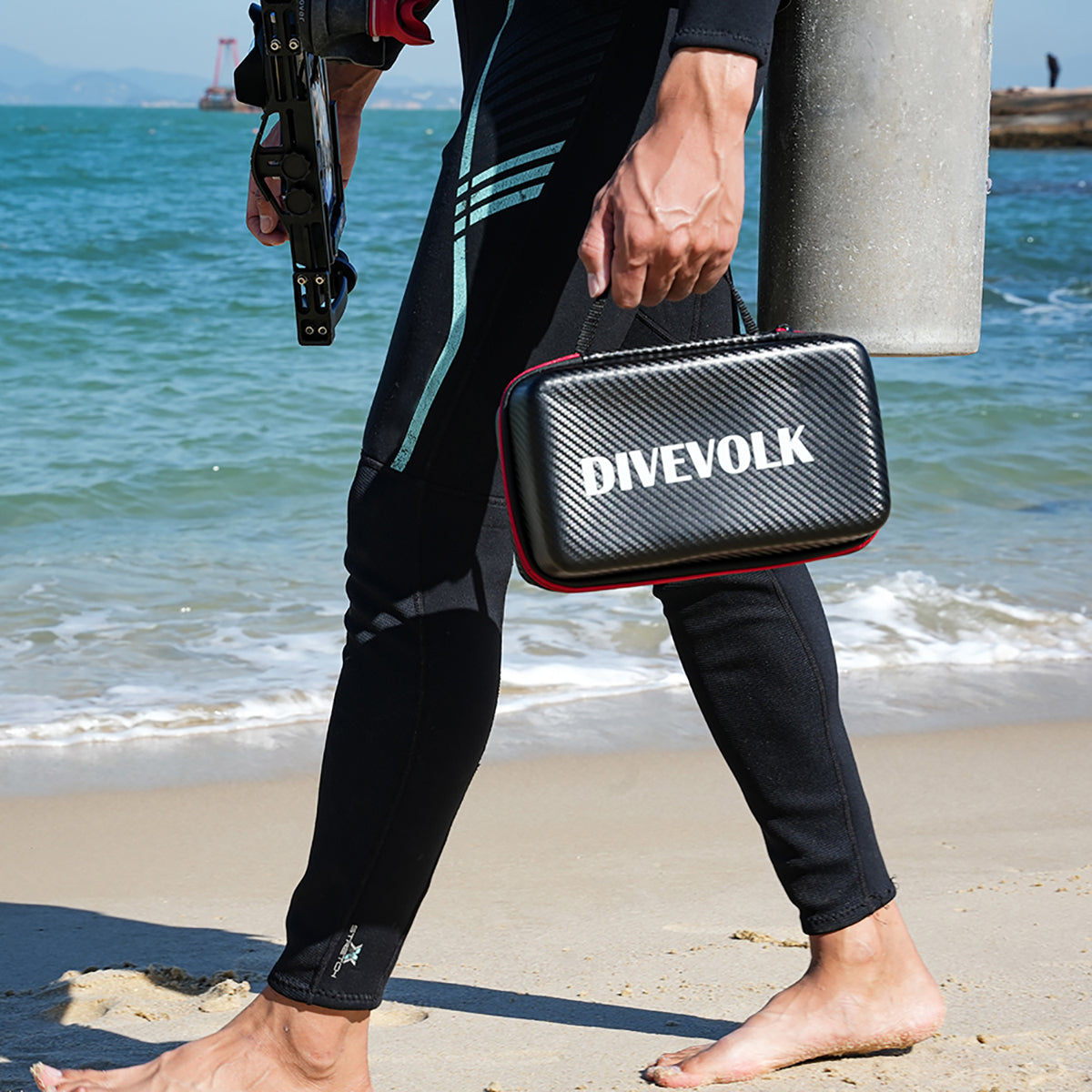
If you are packing underwater camera or phone gear, organize small parts carefully. O-rings, silica packets, lens caps, cable ties, and plastic packaging are easy to lose on a moving boat. A dedicated case for your underwater phone housing, lights, and accessories keeps gear safer and reduces loose plastic. If you are building a simple phone-based imaging setup, compare complete SeaTouch 4 Max Kits before buying separate pieces that arrive in extra packaging.

Step 5: Clean up carefully, not performatively
Picking up trash can help, but underwater cleanup needs judgment. Do not yank fishing line from living coral, put your hands into unknown debris, disturb animals using an item as shelter, or overload yourself until buoyancy suffers. If debris is heavy, sharp, entangled, or hazardous, mark the location and tell the operator or local authority.
For shore cleanups, follow organized guidance when possible. Ocean Conservancy's International Coastal Cleanup emphasizes both removing trash and recording data so cleanup results can support broader solutions. Data matters because it shows which items keep appearing and where prevention should happen upstream.
NOAA also frames marine debris as preventable, which is the key point for divers. Cleanup is useful, but prevention is better. The goal is not to become the person who removes the most trash after every dive; it is to help create dive days where less trash enters the system in the first place.
Step 6: Turn photos into an action campaign
Photography can make a World Oceans Day effort visible without turning it into a lecture. Take a simple before-and-after image of your reusable dive kit. Photograph the refill station that saved dozens of bottles. Document a cleanup bag on shore, not balanced on coral or held beside stressed wildlife. If you photograph debris underwater, do it without staging, touching marine life, or creating a risk for the shot.
Modern smartphones make this easy. With a reliable underwater phone housing, divers can document reef conditions, plastic encounters, and cleanup outcomes while keeping a compact travel setup. Our underwater photography for ocean conservation guide explains how to pair images with accurate captions and useful context.

A seven-day World Oceans Day challenge for dive groups
Seven days before World Oceans Day, invite your buddy team, dive club, or shop community to make one change per day. Day one: refill bottles only. Day two: no single-use snack packaging on the boat. Day three: reusable toiletry kit. Day four: secure all small plastic items before boarding. Day five: log any debris found during dives. Day six: share one accurate conservation photo with a practical tip. Day seven: ask your operator what single-use item they can remove next season.
Keep the tone constructive. Operators face real logistics, especially in remote areas, but customer demand helps them justify better refill systems, bulk snacks, reusable cups, and clearer deck waste rules. If your group wants a broader conservation framework, pair this campaign with our ocean conservation guide for divers and guide to ocean life diversity.
Make it a habit after World Oceans Day
A one-week campaign is useful only if it changes the next trip. Keep your refill bottle stored with your mask. Keep the snack box inside your dive bag. Refill toiletries as soon as you unpack. Add low-waste packing to your dive travel checklist. Small systems beat last-minute motivation.
Divers love the ocean because we have seen what lives below the surface. Reducing single-use plastic is one practical way to act like that experience changed us. If your dive shop, club, or conservation team is planning a World Oceans Day documentation project, contact DIVEVOLK for support with underwater imaging workflows.