
A dive club can survive on spreadsheets for a while. Then the group grows, trips overlap, instructors change availability, rentals go missing, waivers live in too many places, and somebody spends Sunday night reconciling attendance from chat messages.
That is usually the moment to look for management software. The right choice depends on what your club really is: a casual community, a training-heavy dive center, a travel club, a nonprofit program, or a shop with rentals, courses, boats, and payments. This guide focuses on scheduling and attendance because those two problems create the most daily friction, and it compares tools based on current public feature pages rather than hands-on testing.
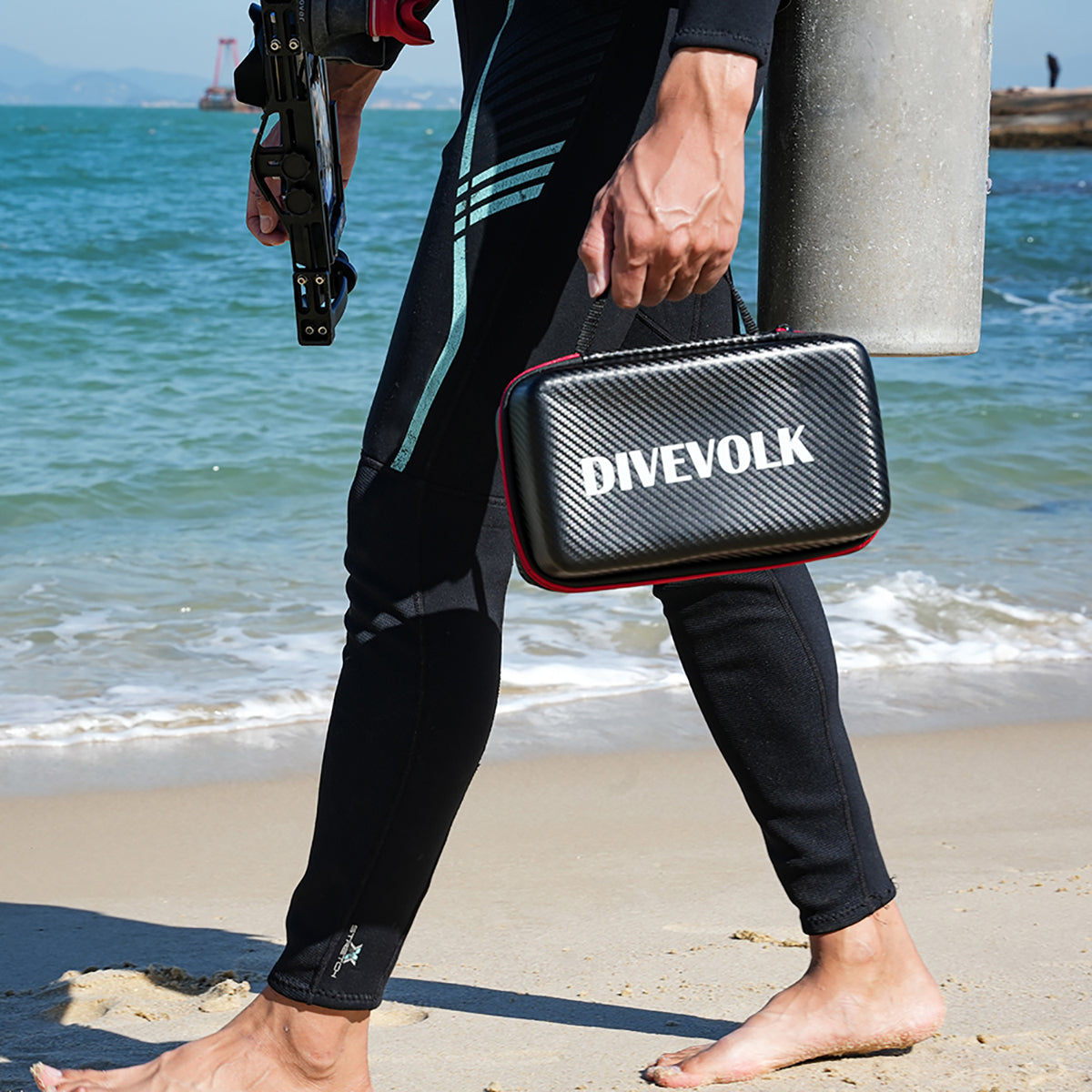
For a DIVEVOLK club, add one more question: how will the system manage underwater content gear? If members borrow underwater phone housings, dive lights, lenses and filters, or a SeaTouch 4 Max Kit for training nights, demo dives, or trip storytelling, the schedule should track those assets as clearly as instructors and tanks.
First, Define the Workflow You Need
Before comparing tools, write down the workflow. Do you need class attendance, trip rosters, instructor scheduling, equipment assignment, digital waivers, Diver Medical forms, payments, memberships, waitlists, staff calendars, or customer records? A tool that is excellent for fitness memberships may not understand cylinders and boat capacity. A dive-center platform may be too much for a small volunteer club.

If you are still building the group itself, start with our guide to starting a dive club. Software works best after the club's rules, roles, and safety expectations are clear.
Also decide who owns the data. A club secretary, instructor team, shop manager, and trip leader may all need different access. Before migrating, test whether the system can separate admin permissions, instructor rosters, customer details, payment records, and emergency contact information without making every volunteer an all-access administrator.
Good Fit for Dive Centers: DiversDesk
DiversDesk is built specifically for dive operations. Its public feature list includes planning and scheduling, capacity insights across trips and staff, paperless customer onboarding, custom registration forms, official waivers, Diver Medical, pre-payments, billing, invoicing, metrics, exports, and automations.
That makes it most relevant for dive centers, resorts, and busy operators that need more than a calendar. If your pain point is "we run multiple trips and need one operational view," DiversDesk belongs on the shortlist.
Good Fit for Course and Equipment Operations: Dive Admin
Dive Admin positions itself as a complete dive center management platform. Its feature list includes customer profiles, dive history, certification tracking, trip scheduling, capacity management, equipment allocation, digital forms and waivers, course management, instructor scheduling, rental equipment tracking, service logs, POS, website booking, and online payments.
That mix is useful when scheduling cannot be separated from training, rentals, and customer records. If your club also acts like a school or shop, look closely at how Dive Admin handles course progress, equipment assignment, and service history. Course records are moving underwater too: one PADI instructor built a digital scoring app for evaluations that runs offline on a housed phone.
Good Fit for Simple Class and Resource Booking: Picktime
Picktime is a lighter scheduling option with a scuba and snorkeling page that highlights 24/7 online class and resource booking, calendar sync, customizable booking pages, email and SMS notifications, waitlist management, attendance tracking, resource management, instructor and equipment assignment, and online payments.
For smaller clubs, this may be enough. If the main problem is "people need to book a pool session, class, or snorkeling tour without texting an organizer," a simpler booking platform can reduce friction without forcing a full dive-center system.
Good Fit for Membership and Attendance: TeamUp
TeamUp is not dive-specific, but it is built for clubs, classes, payments, waivers, attendance, reporting, memberships, and class sizes. That makes it a useful option for clubs with recurring pool nights, training sessions, fitness-style memberships, or attendance-driven billing.
The tradeoff is dive specificity. You may need separate processes for gear service, certification history, dive medical screening, or boat logistics. If your club is mostly member scheduling and attendance, TeamUp may fit. If your operation is dive-center heavy, start with the dive-specific tools first.
What to Check Before You Choose
Attendance: Can instructors mark who actually arrived? Can no-shows be tracked? Can attendance export for training records or membership follow-up?
Scheduling: Can the system handle instructors, boats, pool lanes, rental gear, and capacity limits in one place? Can it manage waitlists and last-minute changes?
Safety documents: Can it collect waivers and medical forms in a way that matches your agency, local law, and privacy expectations?
Payments: Can members pay deposits, course fees, trip balances, or recurring dues? Does it work with your accounting system?
Exports: Can you get your data out? Attendance, customer records, course records, and incident-related notes should not be trapped in a system you cannot audit.
DIVEVOLK gear workflows: Can the tool reserve phone housings, trays, lights, lenses, spare parts, rinse bins, and demo kits for a specific pool session or trip? Can staff record who checked out the kit, whether it returned clean, and whether any support issue needs follow-up through DIVEVOLK technical support?
Keep Safety Outside the Software Hype
Management software can reduce missed forms and messy rosters, but it does not replace dive leadership. You still need clear briefings, conservative site selection, emergency planning, buddy procedures, and instructor judgment. Pair your operations setup with our scuba safety guide, open-water certification guide, and dive insurance guide.
For clubs that document trips heavily, our dive log photography tips can also help standardize post-dive records and media sharing. Members who log on their own can keep sites, conditions and photos together in the DiveWorld dive logging app.
If your club uses DIVEVOLK products as part of its content workflow, make the handoff visible in the software. A SeaTouch 4 Max Kit might need a pre-trip seal check, compatible phone assignment, light battery check, lens/filter note, and a post-dive rinse and inspection task. Those steps are operational details, not marketing extras, and they help keep shared gear dependable for the next diver.

A Practical Recommendation
If you run a true dive center, compare DiversDesk and Dive Admin first. If you run a small club with classes and simple resource booking, test Picktime. If you are membership and attendance heavy, look at TeamUp. Treat those as starting points, not rankings. For any tool, ask for a demo using your real scenarios: two instructors, one boat, six rentals, four late cancellations, medical forms, and a waitlist. Those are the details that fill a dive instructor's working day long before anyone gets wet.
The right system should make the dive day calmer. If it only creates a prettier spreadsheet with more admin work, keep looking.
A low-risk rollout is usually one trip, one class, or one month of pool sessions. Run the new tool beside the old process, compare attendance and payment records, then retire the old workflow only when the team trusts the data. Keep one owner responsible for cleanup during the pilot so duplicate members, outdated waivers, and half-migrated payment notes do not follow the club into the new system.
For DIVEVOLK demo events or club media nights, include the product gear in that pilot instead of treating it as an informal side note. When the roster, instructor plan, and SeaTouch kit assignment live in one place, the team spends less time chasing messages and more time preparing divers for a calmer day in the water.