Post-Dive Essentials: The Ultimate Guide to Cleaning and Maintaining Your DIVEVOLK Housing

By Ricky Jehen • Published September 18, 2025 • Updated September 18, 2025
Post-Dive Essentials: The Ultimate Guide to Cleaning and Maintaining Your DIVEVOLK Housing

After a fantastic trip beneath the waves, your DIVEVOLK housing has worked perfectly, protecting your smartphone and helping you capture countless amazing moments. But the adventure for your gear isn't over just yet! Proper post-dive cleaning and maintenance are just as crucial as your pre-dive checks. This simple ritual not only ensures your housing remains perfectly reliable for your next dive but also significantly extends its lifespan, protecting your investment for years to come.

Why Post-Dive Care is Non-Negotiable

Taking a few minutes to clean your housing after a dive is about more than just keeping it looking good. It’s about two critical things: safety and performance.

  • Safety First - Preventing Corrosion and Leaks: The underwater world is full of corrosive elements like salt, chlorine, and minerals. If left unchecked, these substances, along with sand and other debris, can slowly erode the sealing gasket (O-ring) and other components, creating a potential leak risk on future dives.
  • Performance Guarantee - Ensuring Flawless Operation: A clean lens port guarantees the best possible image quality, free from smudges or water spots. A clean touchscreen membrane ensures optimal touch sensitivity for your next use.

The 4-Step DIVEVOLK Cleaning Ritual

Follow these four simple steps after every day of diving to keep your housing in pristine, dive-ready condition.

Step 1: The Freshwater Soak (The Most Crucial Step)

This should be done as soon as possible after your last dive of the day, especially after use in seawater. Do this with the housing sealed and closed.

Method: Fully immerse your sealed waterproof housing in a basin or rinse tank of fresh, clean water for at least 20-30 minutes. While it's soaking, press and work any buttons (if your model has them, like on an accessory) to dislodge trapped salt and sand. This crucial soak allows the fresh water to dissolve and lift away the majority of salt crystals and other impurities.

A thorough freshwater soak is the most important step in post-dive care.

Step 2: Detailed Cleaning (The Finer Points)

After soaking, it's time for a more detailed clean. First, dry the exterior of the housing, then open it in a dry area.

  • The Lens Window: If you notice smudges on the inside of the lens window, use a clean lens cloth (like the one in your accessory pack) dipped in fresh water to gently clean the glass. For stubborn stains like oil or fingerprints, you can dip the cloth in a small amount of rubbing alcohol and wipe gently in one direction. Ensure no water spots or lint are left behind.
  • The Sealing Gasket (O-ring): Use a cotton swab dipped in fresh water to gently wipe the silicone O-ring and the groove it sits in. Carefully remove any visible debris, hair, sand, or salt particles. Important: Never use any chemical agents, solvents, or alcohol to clean the O-ring, as this can cause it to dry out, deform, or lose its sealing capability.
A person carefully cleaning the lens of a DIVEVOLK housing with a soft cloth.


Step 3: Air Dry Naturally (Patience is Key)

Once everything is clean, place all components in a cool, dry, and well-ventilated area, away from direct sunlight. Do not use a hairdryer or any other heat source to speed up the process. High temperatures can cause the sealing gasket to deform, and direct UV exposure can accelerate the aging of the touchscreen membrane.

Step 4: Proper Storage

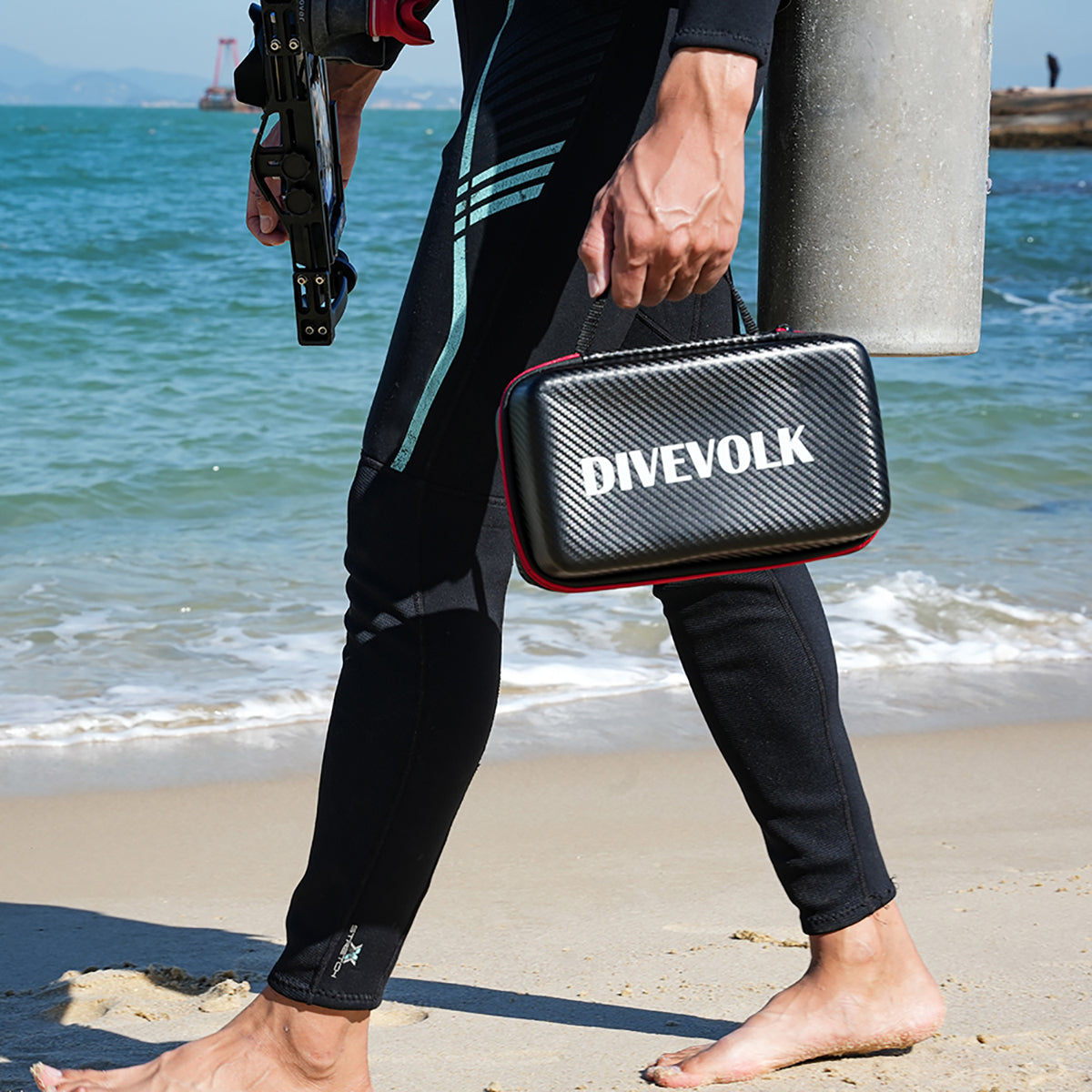
After all parts are completely air-dried, it's time to store your housing. For optimal protection of the touchscreen membrane, we recommend placing the black protective card inside before closing. Lightly latch the top cover of the waterproof housing (no need to clamp it down hard for storage) and place it in its original box or a dedicated EVA Travel Case. Store it in a cool, dry place.

Pro Tip: When to Replace Your Sealing Gasket

The main sealing gasket is the most critical component for keeping your phone safe. If you ever notice that your gasket is nicked, stretched, dried out, or damaged in any way, please replace it immediately. We include a spare gasket in the product's accessory pack for this purpose.

To replace it, simply use your fingers to gently pull the old gasket out of its groove, then carefully press the new one evenly into place. After replacing the gasket, it is highly recommended to perform a waterproof test without your phone inside to ensure the new gasket is installed correctly and sealing perfectly.

A two-panel image showing how to remove and replace the main seal gasket on a DIVEVOLK housing.


Conclusion: Your Reward for a Few Minutes of Care

Caring for your DIVEVOLK housing is like making a decompression stop after a great dive—it's an essential and non-negotiable part of a successful conclusion. By spending just a few minutes on this post-dive ritual, you'll be rewarded with a reliable and high-performing piece of gear that's ready for countless more adventures, protecting your phone and your precious memories as you continue to explore the mysteries of the blue planet.

Ricky Jehen

Ricky Jehen

Ricky is a PADI Master Scuba Diver Trainer with more than 20 years of diving adventures around the world — from colorful coral reefs to historic shipwrecks. Based in Bali, Indonesia, he’s passionate about underwater photography and marine conservation. At DivevolkDiving.com, Ricky shares hands-on gear reviews, safety tips, and personal stories from beneath the waves, inspiring others to dive deeper and capture the ocean’s beauty with Divevolk’s smartphone housings and accessories.