
On the northeast coast of Sri Lanka lies one of the world's finest natural harbors—and one of Asia's most underrated dive destinations. Trincomalee offers what few places can match: historic shipwrecks from the world's largest naval battles, regular encounters with blue whales and sperm whales, and pristine coral reefs largely untouched by mass tourism.

If you're planning your 2026 diving adventures, Trincomalee deserves serious consideration. Here's everything you need to know about this emerging destination.
When to Dive: The Trincomalee Season
Unlike destinations with year-round access, Trincomalee has a defined diving season that you must plan around.
The Optimal Window
Best diving: April to September
The east coast of Sri Lanka operates on a different monsoon pattern than the popular west and south coasts. When the southwest monsoon brings rough seas to Colombo and Galle, Trincomalee enjoys calm, clear conditions.
- April-May: Season opens, visibility improving, whale shark sightings begin
- June-August: Peak season with excellent visibility (20-40 meters)
- September: Season winds down, still excellent conditions
- Water temperature: 28°C (82°F) throughout the season
Whale Season Overlap
Blue whales and sperm whales can be observed approximately 6-8 nautical miles east of Trincomalee. The whale watching season runs from March through August, with peak activity from April to July.
This creates an extraordinary opportunity: morning wreck dive, afternoon whale watching. Few destinations offer such diversity in a single day.
Planning Ahead
If you're reading this in February, you're perfectly positioned to book a Trincomalee trip for peak season. Advance booking ensures access to the best dive operators and whale watching boats—especially important for wreck dives that require specific expertise.
The Legendary Wrecks
Trincomalee's position as a strategic naval base made it a target during World War II. On April 9, 1942, Japanese aircraft attacked the harbor in one of the war's most devastating naval strikes. The wrecks from that day remain underwater, creating some of Asia's most historically significant dive sites.
HMS Hermes: The Aircraft Carrier
HMS Hermes was the world's first purpose-built aircraft carrier—a revolutionary warship that changed naval warfare forever. She now rests at 53 meters (174 feet), making her accessible only to technically trained divers.
What makes this dive special:
- Historical significance: A true piece of naval history
- Massive scale: The carrier stretches 182 meters long
- Marine life: Forests of gorgonians, soft corals, and abundant fish have colonized every surface
- Intact structure: Much of the superstructure remains recognizable
Requirements: Technical diving certification (typically TEC 40/45 or equivalent), nitrox certification, and experience with deep wreck diving.
Other Notable Wrecks
Beyond HMS Hermes, Trincomalee offers multiple World War II wrecks at more accessible depths:
- SS British Sergeant: A merchant vessel sunk in the same attack
- Various smaller wrecks: Supply ships and naval vessels at recreational depths
The Reef Diving
Trincomalee isn't just about wrecks. Pigeon Island, located just off Nilaveli Beach, offers spectacular coral reef diving and snorkeling within a protected marine park. Even heat-tolerant reefs are vulnerable, as Red Sea coral bleaching shows, so keep good buoyancy around Pigeon Island's corals.
Pigeon Island Marine National Park
- Depth: 3-15 meters—perfect for all experience levels
- Coral: Some of the healthiest hard coral in Sri Lanka
- Marine life: Blacktip reef sharks, hawksbill turtles, moray eels, and diverse reef fish
- Visibility: Excellent during season (15-30 meters)
Swami Rock
This site combines diving with cultural history—a Hindu temple sits atop the cliff, with the reef extending below. Coral gardens, schooling fish, and occasional pelagic visitors make this a favorite among photographers. Trincomalee also rounds out our list of the best dive destinations for underwater photography.
The Whale Encounters
What sets Trincomalee apart from many dive destinations is the opportunity for in-water whale encounters. While whale watching from boats is common globally, Trincomalee operators offer snorkeling opportunities with blue whales and sperm whales—depending on conditions and animal behavior.
Blue Whales
The largest animals ever to exist on Earth pass through Trincomalee's waters during their migrations. Blue whales can reach 30 meters in length and weigh 200 tonnes. Observing them from the surface—or occasionally snorkeling at a respectful distance—is a life-changing experience.
Sperm Whales
Resident populations of sperm whales can be encountered throughout the season. These deep-diving predators surface to breathe, offering observation opportunities.
Whale Sharks
Between April and June, whale sharks visit Trincomalee's waters. These gentle giants filter-feed on plankton and allow snorkelers to swim alongside—one of diving's most magical experiences. Our whale shark code of conduct explains how to keep that encounter respectful.

Photography Opportunities
Trincomalee offers diverse photography subjects that reward different approaches:
Wide-Angle Subjects
- Wreck structures covered in soft corals
- Whale encounters from snorkeling distance
- Reef scenes at Pigeon Island
- Schools of fish around the wrecks
Macro Subjects
- Nudibranchs on reef sites
- Coral details on healthy reefs
- Critters hiding in wreck crevices
Equipment Considerations
For Trincomalee, versatility matters. You'll want wide-angle capability for wrecks and whales, but macro opportunities exist on every reef dive. A compact underwater photography travel kit lets you bring both without the bulk.
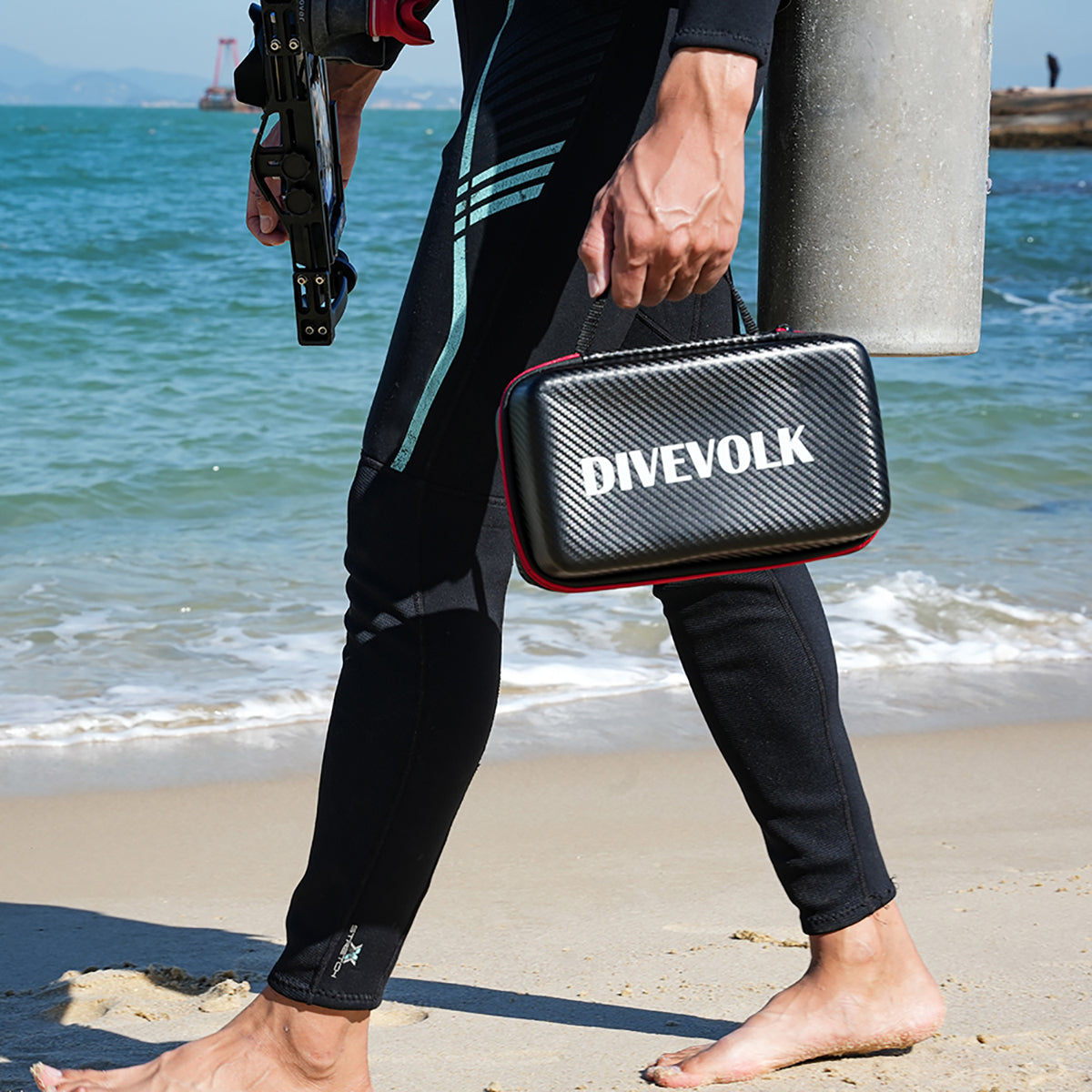
A DIVEVOLK SeaTouch 4 Max provides excellent versatility—the smartphone's ultra-wide lens captures wreck scale beautifully, while adding a macro attachment opens up close-focus photography. For whale snorkeling, the instant video recording capability captures movement that stills cannot.
Consider the complete SeaTouch 4 Max kits if you want video lighting for wreck penetrations—proper illumination brings out the colors of coral growth on historical vessels.
Practical Planning
Getting There
- Fly to Colombo (Bandaranaike International Airport)
- Domestic flight to Trincomalee (when available) or
- Train or car from Colombo (5-6 hours by car, longer by scenic train)
Where to Stay
Nilaveli Beach: The primary base for divers, with multiple resorts and guesthouses within easy reach of Pigeon Island and wreck diving boats.
Uppuveli: Slightly closer to Trincomalee town, with budget to mid-range options.
Choosing a Dive Operator
For HMS Hermes and other deep wrecks, ensure your operator:
- Has specific experience with technical wreck diving
- Provides proper gas mixes (nitrox minimum, trimix for deep penetrations)
- Employs guides who know the wreck layout
- Maintains modern safety equipment including oxygen for emergencies
What to Pack
- 3mm wetsuit or rashguard: Water is warm (28°C)
- Certification cards: Including technical certs for wreck diving
- Dive computer: Essential for multi-level wreck profiles
- Surface marker buoy: Important for drift diving and safety stops
- Underwater camera system: Don't miss documenting these unique sites Our dive travel packing checklist shows how to fit it within your baggage allowance.
Combining Trincomalee with Other Sri Lanka Diving
Sri Lanka's coastline offers different experiences depending on season:
- West/South Coast (October-April): Hikkaduwa, Unawatuna, and Mirissa for diving plus whale watching
- East Coast (April-September): Trincomalee, Batticaloa, and Passikudah
A comprehensive Sri Lanka dive trip could span both seasons, experiencing the full range of what this island nation offers.

Why Trincomalee Deserves Your Attention
In a diving world increasingly crowded with tourists, Trincomalee remains relatively undiscovered. The combination of historically significant wrecks, whale encounters, healthy reefs, and warm water creates a destination that rivals more famous names—at a fraction of the cost and crowds.
Start planning now for the April-September season, and you'll experience one of Asia's true diving treasures.
Ready to document Sri Lanka's underwater wonders? The DIVEVOLK housing collection provides the versatility you need for wrecks, whales, and reef diving alike.