
For American diving families, the four-day Thanksgiving weekend solves a calendar puzzle that trips up the rest of the school year. Kids and teens already have Thursday and Friday off class, summer crowds have cleared out of Caribbean resorts, and peak Christmas airfare has not started yet. Better still, November 30 marks the official end of the six-month Atlantic hurricane season, which NOAA's National Hurricane Center defines as running from June 1 through November 30.
Spend Thanksgiving week over a shallow coral reef, though, and the holiday takes on a meaning beyond trading sleet for salt water. Five days after Thanksgiving Thursday comes Giving Tuesday—a natural moment to ask how your family can give back to the ocean that just hosted you. Across the Florida Keys and the Caribbean, families can spend a morning outplanting nursery-grown coral, turn an afternoon snorkel into a citizen-science fish count, or dedicate a holiday gift to the marine park protecting their favorite reef.
This guide covers how to plan a short-haul Thanksgiving family dive and snorkel getaway from the United States: where mixed-age families can share the same boat or shore entry, how youth scuba age and depth rules work, four verified ways to build marine conservation into your holiday week, and how to capture the trip on a family smartphone safely.
Short-Haul Thanksgiving Family Dive & Snorkel Destinations at a Glance
A four-to-seven-day holiday window leaves little room for jet lag. The destinations below keep flight times short from US hubs and offer itineraries where certified parents, Junior Open Water teens, younger snorkelers, and dry-side grandparents can share the day. For global options, see our comparison of family-friendly dive destinations.
Water temperatures below are approximate late-November ranges commonly reported by local operators. Verify same-day marine forecasts with your dive shop before departure.
| Destination | US Travel Access | Typical Late-Nov Water Temp | Why It Fits Mixed-Age Families | Hands-On Conservation Option |
|---|---|---|---|---|
| Florida Keys (Key Largo & Islamorada) | Fly to Miami (MIA) or Fort Lauderdale (FLL) + 1–1.5 hr drive; no passport | ~24–26°C (75–78°F); 3–5 mm wetsuit + boat jacket | Shallow sanctuary reefs (2.5–8 m / 8–25 ft) for snorkelers and divers together | Coral Restoration Foundation (CRF) Dive & Snorkel Programs; REEF fish surveys |
| Bonaire | Nonstop from Miami, Atlanta, Houston, or Newark (~3–4.5 hrs from MIA/ATL) | ~27–28°C (80–82°F); 3 mm wetsuit or rashguard | 54+ marked leeward shore-dive sites on your family's schedule | Reef Renewal Foundation Bonaire (Discover dive, 15+ specialty, or Adopt a Coral) |
| Cozumel & Riviera Maya, Mexico | Nonstop to Cozumel (CZM) or Cancún (CUN) from US hubs (~2–4 hrs) | Reefs ~26–28°C (79–82°F); cenotes ~24–25°C (75–77°F) | Warm Caribbean reef boats, plus calm mainland cenotes if wind picks up | Cozumel Reefs National Park support; PADI AWARE Dive Against Debris |
| Grand Cayman | Nonstop from Miami (~1.5 hrs) and East Coast/Midwest hubs | ~27–28°C (80–82°F); 3 mm shorty or full suit | Calm leeward west-side patch reefs and easy shore entries | REEF Caribbean fish counts; local mooring-buoy and coral programs |
| Bahamas (Nassau & Exuma) | ~1 hr flight from South Florida; direct from East Coast hubs | ~24–26°C (76–79°F); 3–5 mm full suit | Shallow patch reefs, calm sandbars, and short boat rides | REEF fish surveys; Bahamas national park stewardship |
Where to Go Over Thanksgiving Week: Four Proven Family Itineraries
1. Florida Keys (Key Largo & Islamorada): Shallow Sanctuary Reefs and Hands-On Science

To maximize water time over a four-day weekend without clearing customs, the Upper Florida Keys are hard to beat. An hour south of Miami International Airport along the Overseas Highway, Key Largo and Islamorada sit inside the Florida Keys National Marine Sanctuary and let mixed-experience families share the same boat.
At Key Largo Dry Rocks—inside John Pennekamp Coral Reef State Park—the nine-foot bronze Christ of the Abyss statue rests in 22 to 25 feet (7 to 8 meters) of water, with its hands reaching within 8 to 12 feet of the surface. A nine-year-old snorkeling in a vest and a certified twelve-year-old on scuba below can view the exact same landmark together. Nearby Grecian Rocks and Molasses Reef offer similar shallow layouts inside the top 25 feet. Pack a 3 mm or 5 mm wetsuit and a boat windbreaker when autumn cold fronts cross Hawk Channel.
2. Bonaire: Shore-Diving Freedom at Your Family's Own Pace

Bonaire removes rigid boat schedules almost entirely. Sitting in the southern Caribbean outside the main hurricane belt, the island features more than 85 marked dive sites, over 50 of which are accessible straight from the beach along the calm, leeward western coast.
Parents can rent a pickup truck, park steps from the water, and wade in along a sandy slope where the reef shelf begins in 15 to 30 feet (5 to 9 meters). One parent can accompany a certified ten-year-old on a 35-minute dive while the other supervises younger snorkelers over the shallow terrace, then swap roles after lunch. Bring hard-soled dive booties for limestone entries, pay the STINAPA Bonaire National Marine Park Nature Fee, complete a mandatory orientation dive, and follow gear-decontamination rules for Stony Coral Tissue Loss Disease (SCTLD).
3. Cozumel & the Riviera Maya: Warm Caribbean Reefs With a Cenote Backup
Cozumel and Mexico's Quintana Roo mainland offer a built-in weather hedge for late November. On calm days, Cozumel's western shoreline features warm water, colorful sponges, and high visibility inside Cozumel Reefs National Park. When booking with children or newly certified teens, skip the deeper southern walls and ask your dive shop for shallow, mild-current reefs between 25 and 40 feet (8 and 12 meters). If an autumn norte (north wind) closes the harbor to small boats, mainland cenotes such as Casa Cenote and Dos Ojos stay glass-calm for family snorkeling and diving.
4. Grand Cayman and the Bahamas: Quick East Coast Jumps to Clear Water
- Grand Cayman: Ninety minutes nonstop from Miami, Grand Cayman's sheltered Seven Mile Beach corridor and west-side patch reefs offer calm boat and shore entries in 20 to 40 feet (6 to 12 meters).
- Bahamas (Nassau & the Exumas): An hour by air from South Florida, Nassau and the Exuma Cays combine shallow patch reefs in 15 to 30 feet (4.5 to 9 meters) with calm turquoise sandbars for younger swimmers.
Age, Depth, and Supervision Rules for Young Divers and Snorkelers
Before booking flights, match every family member's age to the standards enforced by PADI and SSI's youth diving programs. Age sets the legal ceiling, not an automatic green light:
- Ages 8–9 (Pool & Confined Water Only): Children aged 8 and 9 are not eligible for open-water certification. Introductory programs such as PADI Bubblemaker, PADI Seal Team, and SSI Explorers let eight- and nine-year-olds breathe underwater in a pool or calm confined water under direct professional supervision, with Bubblemaker capped at 2 meters (6 feet).
- Ages 10–11 (Junior Open Water Diver — 12 m / 40 ft Max): At age 10, kids can earn a Junior Open Water Diver certification, strictly limited to a maximum depth of 12 meters (40 feet) and required to dive with a certified parent, legal guardian, or dive professional.
- Ages 12–14 (Junior Open Water Diver — 18 m / 60 ft Max): Certified Junior Open Water divers aged 12 through 14 have a maximum depth limit of 18 meters (60 feet) and must dive with a certified adult. At age 15, Junior divers can upgrade to a standard adult Open Water card—making a pre-trip course or an upgraded dive certification gift for a teen a memorable holiday milestone.
Thermal comfort, equalizing awareness, gear fit, and maturity always come first; see Divers Alert Network's guide to due diligence for parents of young divers. For younger snorkelers at the surface, stick to three non-negotiable habits:
- Separate the water watcher from the photographer: Assign one adult at a time whose sole job is counting heads and watching swimmers—not framing shots. Hand the watcher role over out loud before trading places.
- Use real flotation, not pool toys: Fit children with a US Coast Guard-approved life jacket or an inflatable snorkel vest, paired with a standard two-piece mask and snorkel.
- Keep an easy stop signal: Agree beforehand that anyone can end the session early for cold, fatigue, or nerves with zero pushback.
Four Practical Ways Your Family Can Give Back to the Ocean
Thanksgiving week leads straight into Giving Tuesday, and there is no better classroom for ocean stewardship than a reef your kids swam over that morning. For a year-round look at low-impact diving, read our ocean conservation guide for divers and see how smartphone housings support field researchers in our coral restoration conservation report.
1. Join a Hands-On Coral Restoration Session in the Florida Keys

With an Exploration Center in Key Largo, the Coral Restoration Foundation (CRF) runs the largest reef restoration effort in the Florida Keys. Through CRF's public Dive & Snorkel Programs—hosted with local Key Largo dive shops—families learn how threatened staghorn and elkhorn corals are raised and returned to the Florida Reef Tract. After a morning workshop practicing nursery techniques on land models, the group boards a partner boat to visit an offshore coral tree nursery and an active restoration reef, with tracks for both certified scuba divers and surface snorkelers (typically ages 10+ per operator rules).
2. Turn Every Family Dive or Snorkel Into a REEF Fish Count

Headquartered at Mile Marker 98.3 in Key Largo and active across the Caribbean, the Reef Environmental Education Foundation (REEF) coordinates the Volunteer Fish Survey Project (VFSP). Snorkelers and kids can log official REEF surveys right alongside scuba divers using the Roving Diver Technique: swim freely over your site and tally every fish species you can positively identify across four abundance buckets—Single (1), Few (2–10), Many (11–100), or Abundant (more than 100). See our diver citizen-science data guide for tips on recording clean observations.
3. Dive for Coral Recovery in Bonaire—or Adopt a Coral for Giving Tuesday
On Bonaire, Reef Renewal Foundation Bonaire (RRFB) offers two ways for families to help: certified divers aged 15 and older can book a Discover Reef Renewal Dive or the three-dive Reef Renewal Diver Distinctive Specialty to clean nursery trees and outplant coral fragments, while younger kids or families marking Giving Tuesday from home can symbolically adopt a coral fragment, nursery tree, or outplanted coral thicket through RRFB's Adopt a Coral program.
4. Log a Family Cleanup With PADI AWARE's Dive Against Debris
Through the PADI AWARE Foundation's Dive Against Debris program, certified divers and older teens can join guided cleanup dives or log underwater monofilament and plastic removals in a global policy database. Logging a "debris-free" survey also helps scientists map clean baselines, and younger snorkelers can pair the effort with a shoreline cleanup before leaving the beach.
Capturing Thanksgiving Reef Memories Without Adding Stress

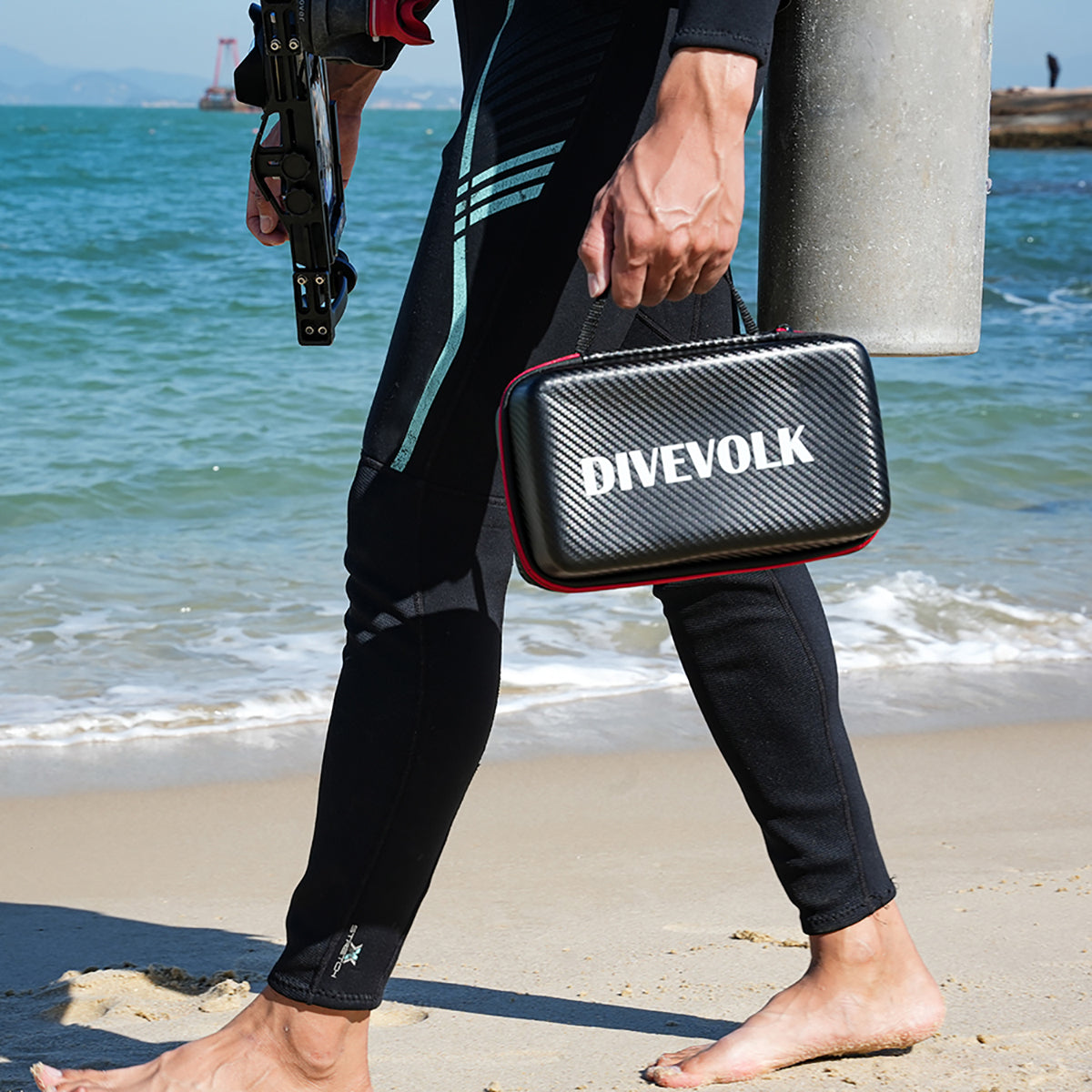
Handing a teenager—or a parent watching a ten-year-old buddy's depth gauge—a bulky camera rig covered in unfamiliar dials is a recipe for task loading. Putting the family smartphone inside the DIVEVOLK SeaTouch 6 Pro keeps the focus on your family. Because the SeaTouch 6 Pro uses a patented full-touchscreen membrane rated to 60 meters (196 feet) and built for a 150,000-touch lifespan, everyone already knows how to run the camera:
- Familiar touchscreen control, zero housing buttons: SeaTouch housings are a button-free, full-touchscreen design where the phone's physical volume, power, and side Camera Control buttons are sealed inside and cannot be pressed, so parents and teens simply tap the screen through the membrane to focus, switch lenses, or record 4K video just as they do on land. (If your phone includes a native "underwater mode" that disables the touchscreen and remaps the shutter to the volume keys, leave that bare-phone setting switched OFF before sealing the housing so full touchscreen control stays active.)
- Tuned for the shallow 0–10 m family zone: Weighing about 485 g on land and roughly 150 g in the water with a flagship phone installed, the SeaTouch 6 Pro ships standard with a clip-on 0–10 meter red filter, a wrist lanyard, and anti-fog desiccant pads—ideal for surface snorkelers and 10-to-11-year-old Junior divers (capped at 12 meters).
- Model hands-off reef etiquette on every frame: Make it a family rule before splashing in that no holiday photo is worth touching coral, standing on the bottom, or chasing a sea turtle. Hover horizontally over sand and let curious reef fish set the distance.
- From the rinse tank to Thanksgiving dinner—and citizen science: Because every shot lives on your phone's camera roll, your family can AirDrop reef videos around the Thanksgiving table that evening and zoom in on side-profile fish photos to double-check markings for your REEF survey log.
Walk through our step-by-step setup checklist for your first underwater smartphone photo the night before the boat leaves, and compare compatible adapters across our full lineup of underwater phone housings.
Start a New Family Holiday Tradition in the Water
Pick a short-haul reef destination where every age has a valid track, respect Junior certification limits without cutting corners, and build one tangible act of ocean gratitude—a coral nursery trip, a REEF fish count, or a Giving Tuesday coral adoption—into the week. When your family surfaces with warm memories and a reef log that helps scientists protect the water you explored, you bring home far more than a postcard.