
Early May is the final practical planning window for many divers who want to combine Phuket with a Similan Islands liveaboard. The reason is simple: the Similans are seasonal. Thailand's national park system closes many Andaman marine sites during the southwest monsoon for safety and ecological recovery, and the Tourism Authority of Thailand advised travelers ahead of the 2025–2026 season to check park rules before visiting because closure dates can vary with weather and park conditions. For the Similan and Surin Islands, the recent official pattern has been a mid-May closure followed by reopening in mid-October.
That makes a May trip possible, but only if you plan it with realistic expectations. A Phuket Similan Islands liveaboard May itinerary should be treated as a last-window plan, not a flexible anytime vacation. Boats may have fewer remaining departures, conditions can change quickly, and operators must follow national park access rules. If your vacation dates fall after the closure begins, do not assume a private boat, last-minute day trip, or special request can still get you into the park.

Why early May matters
Thailand's Government Public Relations Department reported that the Department of National Parks, Wildlife and Plant Conservation closed tourism activities at the Similan and Surin Islands from May 16 to October 14 in 2025, describing it as an annual measure to reduce tourism impact, support ecosystem recovery, and avoid monsoon-weather risk. TAT's 2026 national-park advisory repeats the broader principle: seasonal closures are normal, weather-related, and tied to park management. In practical terms, divers should plan early May as the final usable window and verify the exact year's schedule with the operator and the National Parks of Thailand before paying nonrefundable balances.
This is especially important for international travelers building a Thailand holiday around Labor Day or Golden Week. Flights into Phuket may look easy. Hotels may still be available. But the limiting factor is not the airport or the beach hotel; it is whether your boat has a permitted itinerary, enough weather margin, and a realistic route before the park closes.
Liveaboard or day trip from Phuket?
A day trip can work for snorkelers or divers who want one simple offshore experience, but it is a long day from Phuket. Many Similan day tours involve an early hotel pickup, road transfer toward Khao Lak or a northern pier, then a speedboat crossing. That format leaves less time for rest, camera setup, and adjusting to sea conditions. It also gives you fewer chances to wait out a squall or choose a better site if the first option is not ideal.
A liveaboard suits divers who want the Similans to be the center of the trip. You sleep closer to the sites, reduce daily transfer fatigue, and usually get more dives across a wider mix of reefs, boulder sites, and channels. The tradeoff is commitment. Once you book, your schedule depends on the boat's departure, park access, and marine forecast. If your travel style needs hotel comfort, nightlife in Phuket, or complete flexibility, a day trip or a Phuket-based local diving plan may be a better fit.
For broader packing decisions, start with our dive travel packing checklist. If this is your first multi-day dive trip, also review the scuba diving safety guide and consider whether dive insurance makes sense for remote-boat logistics and weather disruption.
Who should choose a May Similan liveaboard?
Choose it if you are already comfortable with boat diving, can handle changing sea states, and are willing to let the operator adjust sites based on conditions. Early May can still deliver rewarding diving, but it is too close to the seasonal transition to promise glassy seas, perfect visibility, or specific wildlife encounters. Responsible operators will not guarantee manta rays, whale sharks, or access to a particular site. Treat those as possibilities, not the reason the trip must succeed.
Newer divers can still enjoy the route if they have good buoyancy, recent dive experience, and an operator that screens skill levels honestly. If you have not dived for a while, book a refresher before boarding. If you struggle with seasickness, ladder exits, or sleeping on moving boats, be conservative. A beautiful itinerary is not worth forcing a trip that does not match your current comfort and fitness.

Gear and photo packing for the last-window season
Pack like the boat may be busy, damp, and short on spare parts. Bring your own mask, computer, SMB, exposure protection, and any prescription or fit-sensitive gear. Rental BCDs and regulators may be available, but confirm sizes and service standards before departure. Check batteries, straps, clips, O-rings, and spares before you zip the bag. Photographers can apply the same discipline to a lean underwater photography travel kit.
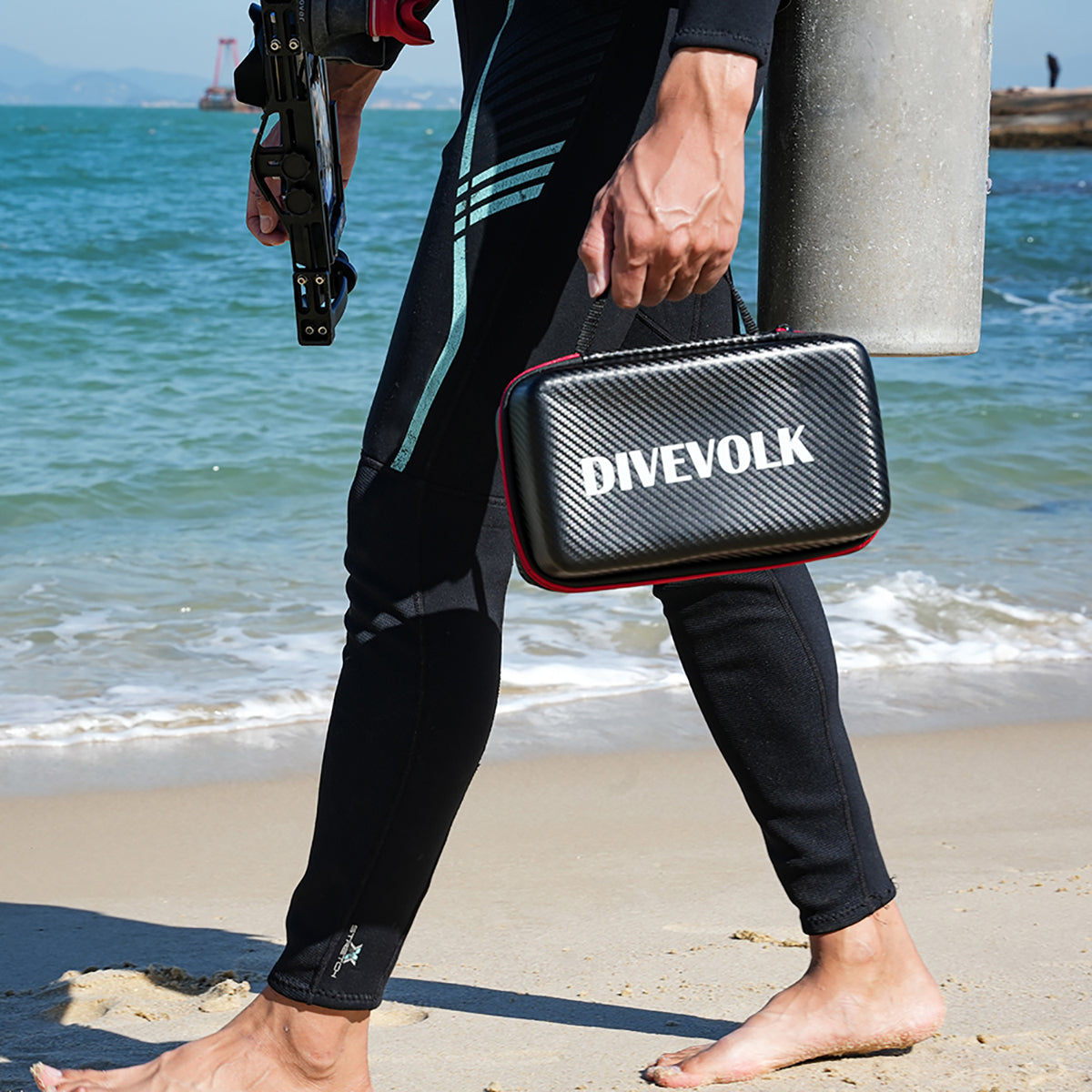
For underwater photos, a compact system is easier to manage than a bulky rig in late-season conditions. A smartphone in a DIVEVOLK underwater phone housing keeps travel weight down while preserving a familiar camera workflow. If you want a ready-to-dive setup, the SeaTouch 4 Max Kits are the simplest starting point. Add wet lenses or filters for reef scenes and a compact light from the lighting collection if you plan close-focus work. Test the housing sealing gasket, app controls, memory, and charging plan before you board; liveaboard cabins are not the place to discover a missing adapter.
Weather, cancellations, and the smarter backup plan
May planning should include a backup. The southwest monsoon does not arrive on a tidy schedule, and offshore trips can be delayed or rerouted for safety. Ask the operator what happens if the boat cannot leave, whether you receive a refund or credit, and how close to departure the final weather decision is made. Keep one flexible day after the liveaboard before your international flight, especially if you are connecting through Phuket.
If the Similan window closes or weather deteriorates, do not treat the trip as ruined. Phuket, Racha, Phi Phi, and sheltered Andaman alternatives may still be possible depending on the day, but they are different trips with different conditions. Visibility, water temperature, surface chop, and current can shift even within the same region, so give the operator room to choose safer local options. Broader climate signals such as El Niño and coral stress deserve the same caution: useful context, never a site forecast.
Final booking checklist
Before you pay, confirm the current national park opening dates, your exact pier, transfer time from Phuket, number of dives, cabin type, rental gear policy, marine park fees, insurance requirements, and cancellation terms. Ask whether the itinerary includes any sites that are restricted, seasonally closed, or subject to last-minute park direction. Keep expectations disciplined: early May can be a memorable Similan liveaboard window, but the best trips are planned around safety, conservation rules, and operator judgment rather than wishful timing.
If you are assembling a lightweight underwater imaging setup for the trip, review the SeaTouch 6 Pro kit buying guide or contact DIVEVOLK before departure so compatibility questions are solved on land.