
You've been dreaming about that dive trip for months. The flights are booked, the excitement is building, and you can almost feel the warm tropical water on your skin. But somewhere between your computer screen and the reef, things can go terribly wrong—and it usually happens long before you hit the water.

Every year, countless divers learn expensive lessons about booking dive vacations the hard way. From certification mix-ups to insurance oversights, these mistakes can transform a dream trip into a frustrating (and costly) disaster. Let's examine the most common pitfalls so you can avoid them on your next adventure.
The Certification Level Trap
Perhaps the most heartbreaking scenario is arriving at a world-class dive destination only to discover you're not qualified to dive there.
The problem: Many premier dive destinations have strict certification requirements. Sipadan in Malaysia now requires Advanced Open Water certification minimum. Liveaboard itineraries visiting advanced sites like the Great Blue Hole in Belize or the Blue Corner in Palau may require proof of recent dive experience or specific certifications.
How to avoid it:
- Research the minimum certification requirements for your destination before booking
- Check if specific dive sites require advanced certifications (deep diving, nitrox, etc.)
- Contact the dive operator directly to confirm requirements
- If you're close but not quite qualified, consider completing necessary certifications before your trip
The Liveaboard Availability Miscalculation
Here's a scenario that plays out constantly: a diver books flights to a remote destination, only to discover that all liveaboard spots are sold out for their dates.
The problem: Popular liveaboard itineraries—especially in destinations like the Galápagos, French Polynesia, and Socorro Island—book up months or even a year in advance. Unlike hotels, liveaboards have extremely limited capacity.
How to avoid it:
- Book the liveaboard first, then flights. Flights are generally more flexible and available than liveaboard berths
- Work with a specialized dive travel agent who knows real-time availability
- Keep your travel dates flexible when targeting high-demand destinations
- Consider booking during shoulder seasons when availability is better
The Non-Diving Partner Problem
Dive trips don't always involve two divers. If you're traveling with a non-diving partner, failing to consider their experience can strain even the strongest relationships.
The problem: Remote dive resorts and liveaboards are designed for divers. Your partner might find themselves bored, isolated, or feeling like an afterthought while you're underwater for hours each day.
How to avoid it:
- Choose destinations with non-diving activities: snorkeling, kayaking, spa services, cultural tours
- Consider resorts rather than liveaboards if your partner doesn't dive
- Research whether the destination offers "try dive" or Discover Scuba programs
- Plan dedicated non-diving days for couples' activities
- Look for destinations where topside attractions match underwater experiences in quality
The Insurance Oversight
Regular travel insurance often excludes scuba diving activities. Discovering this at the worst possible moment—when you actually need medical evacuation—is a nightmare scenario.
The problem: Dive-related incidents, especially those requiring hyperbaric treatment or medical evacuation from remote locations, can cost tens of thousands of dollars. Standard travel insurance typically excludes these costs or caps coverage at inadequate levels.
How to avoid it:
- Purchase dedicated dive insurance from Divers Alert Network (DAN) or similar providers
- Verify coverage limits for hyperbaric chamber treatment (recompression)
- Confirm coverage for medical evacuation from remote locations
- Check if your insurance covers the maximum depth you plan to dive
- Bring proof of insurance on every dive trip
The "I'll Figure It Out There" Mentality
Showing up at a destination without pre-arranged diving can work in tourist hubs, but in many locations, it's a recipe for disappointment.
The problem: Quality dive operators in popular destinations fill up quickly. Walk-in customers often get whatever's left—inexperienced guides, crowded boats, or less desirable dive sites.
How to avoid it:
- Book your diving in advance, especially during peak season
- Research dive operators thoroughly using reviews and diving forums
- Consider dive packages that bundle accommodation and diving for better value
- Communicate any special requirements (nitrox, equipment rental, camera setups) before arrival
The Equipment Service Neglect
Your regulator hasn't been serviced in three years, but it's been working fine… until the first dive of your expensive vacation.
The problem: According to Divers Alert Network, approximately 11% of dive incidents are caused by equipment failure, often due to inadequate maintenance. Regulators degrade over time even when not in use.
How to avoid it:
- Service regulators annually or every 100 dives, whichever comes first
- Complete all servicing at least 2-3 weeks before departure (in case parts need ordering)
- Test equipment in a pool or shallow water before the trip
- Bring backup equipment for critical items when possible
- Know what rental equipment is available at your destination

The Rusty Skills Syndrome
It's been 18 months since your last dive. You remember how—in theory. But theory and practice diverge significantly at 20 meters.
The problem: Skill degradation happens faster than most divers realize. Buoyancy control, emergency procedures, and equipment familiarity all deteriorate without practice. Starting an expensive dive trip with a checkout dive while you fumble with your gear wastes precious diving time.
How to avoid it:
- If it's been more than 6 months, complete a refresher course before your trip
- Do at least 2-3 local dives before departing for a major destination
- Review hand signals and emergency procedures
- Practice with your own equipment rather than rental gear
The "Dive Anywhere" Assumption
Your Open Water certification technically allows you to dive anywhere in the world. But "can" and "should" are very different things.
The problem: Conditions vary dramatically between dive sites. Strong currents, cold water, low visibility, depth, and overhead environments all require skills and experience beyond basic certification.
How to avoid it:
- Be honest about your experience level when booking
- Research typical conditions at your destination
- Get appropriate training for specialized environments (drift diving, cold water, etc.)
- Don't let peer pressure push you into dives beyond your comfort level
- Communicate honestly with dive guides about your experience
The Photography Gear Miscalculation
You've invested thousands in an underwater camera setup, but you didn't account for the logistics of traveling with it.
The problem: Traditional underwater camera rigs are bulky, heavy, and require careful packing. Airline weight limits, flooding anxiety, and the hassle of setup can detract from diving enjoyment.
How to avoid it:
- Consider switching to a more travel-friendly setup like a smartphone underwater housing
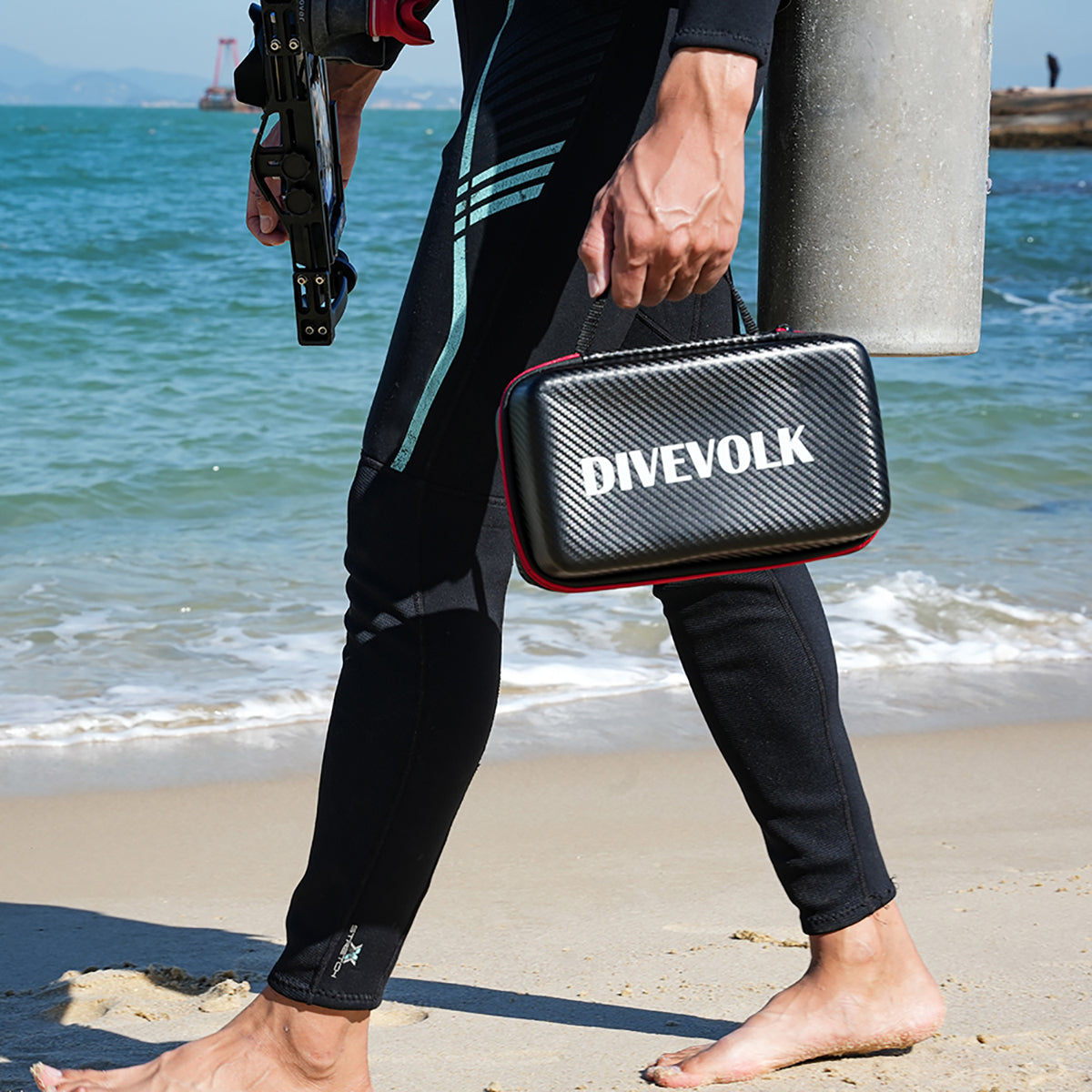
- The DIVEVOLK SeaTouch 4 Max fits in carry-on luggage and requires no bulky accessories
- Research airline policies on lithium batteries before packing
- Carry essential camera gear in your carry-on, never checked luggage
- Bring spare memory cards, batteries, and basic repair supplies
The Hydration and Health Hazards
The night before diving, you have a few drinks, sleep poorly, and skip breakfast. What could go wrong?
The problem: Dehydration significantly increases the risk of decompression sickness. Alcohol consumption and poor sleep compound this risk. The dry air from tanks and tropical heat make proper hydration even more critical.
How to avoid it:
- Avoid alcohol for at least 12-24 hours before diving
- Drink more water than you think necessary, starting the day before
- Get adequate sleep before dive days
- Eat light, nutritious meals
- Be honest if you're not feeling 100%—it's okay to skip a dive
The Permit and Regulation Ignorance
Some of the world's best dive sites have strict permit systems that require advance planning.
The problem: Places like Sipadan limit daily permits to protect the ecosystem. Galápagos requires specific guide certifications. Marine park fees may need to be paid in cash, in local currency, in advance.
How to avoid it:
- Research permit requirements for each destination
- Book well in advance for restricted sites
- Carry required documentation (certification cards, insurance proof, medical forms)
- Budget for marine park fees and permits
Building Your Perfect Dive Trip
A successful dive trip starts with careful planning. Here's a checklist to keep you on track:
- 6+ months out: Research destinations, check certification requirements, book liveaboards
- 3-4 months out: Book flights, arrange dive insurance, schedule equipment service
- 1-2 months out: Complete any needed training, do refresher dives, confirm all bookings
- 2 weeks out: Final equipment check, pack carefully, confirm documents are ready
- Day before travel: Hydrate well, get good sleep, final gear check

The Smart Diver's Approach
The best dive trips are built on realistic expectations and thorough preparation. Know your limits, plan for contingencies, and always prioritize safety over any single dive. The ocean will be there tomorrow—but only if you take care of yourself today.
And when you're capturing those incredible underwater moments, consider traveling light with a DIVEVOLK smartphone housing—one less thing to worry about means more focus on what really matters: the diving experience itself.
Have you experienced any of these booking pitfalls? Share your stories and tips with the diving community, and help fellow divers avoid making the same mistakes.